
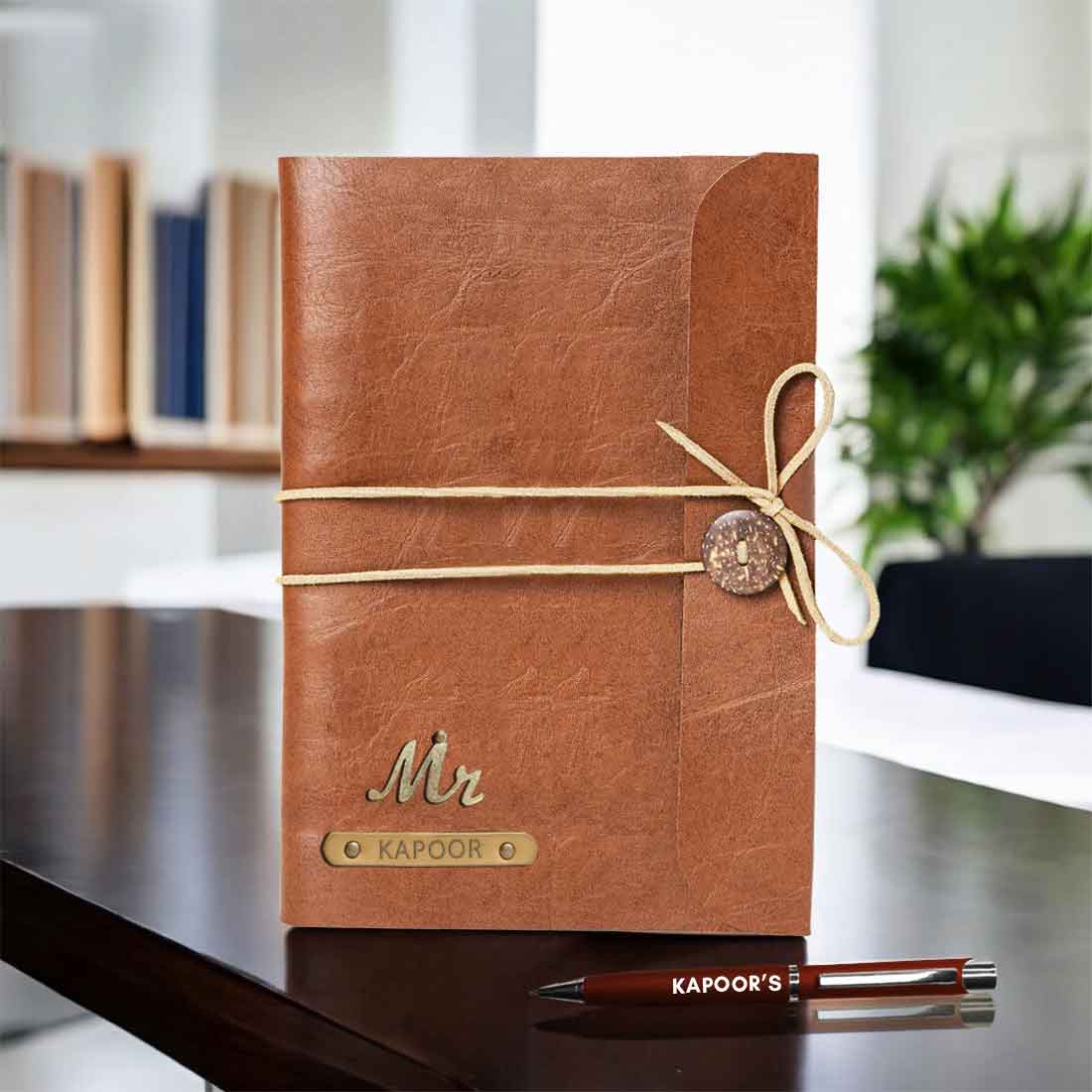
Building Better Daily Routines, With Personalised Diaries, For Organised Living
Morning planning becomes easier when responsibilities have clear written places.Personalised Diaries give everyday duties a simple visible structure.Small notes can prevent forgotten tasks during busy working hours.Steady routines can create calmer choices throughout demanding daily schedules.Clear records help balance duties, goals, reminders, and personal targets.
Setting Clear Daily Priorities
Important duties deserve space before smaller activities receive attention.Writing priorities early can reduce confusion during crowded working schedules.
Simple lists help separate urgent work from flexible daily activities.A written order makes progress easier to notice each evening.Realistic timing prevents plans from becoming demanding during busy periods.
Creating Consistent Planning Habits
Regular writing can turn scattered thoughts into useful daily records.A familiar routine makes planning easier to maintain each morning.Short entries can capture duties without consuming valuable personal time.
Weekly reviews can reveal patterns within repeated household daily responsibilities.Small adjustments keep schedules practical when circumstances change rather unexpectedly.
Practical Ways to Organise Tasks
Useful planning depends upon clear notes and sensible grouping.Each entry should carry enough detail for understanding each time.
| Planning area | Useful diary action | Main benefit |
| Daily duties | Write three priority tasks | Clearer focus |
| Time planning | Add practical time blocks | Better structure |
| Reminders | Record important notes | Fewer missed details |
| Weekly review | Check unfinished tasks | Easier adjustment |
| Personal goals | Track small progress | Stronger consistency |
Simple marks can show completed duties without lengthy written explanations.Separate sections can organise work goals, reminders, and daily appointments.A balanced layout keeps important information easy to locate quickly.
- List major duties before adding smaller optional activities each day.
- Record useful reminders beside tasks requiring later personal attention.
- Leave open space for unexpected duties during demanding busy periods.
- Review unfinished items before creating tomorrow’s personal daily schedule.
- Keep wording brief so each entry remains easy to scan.
Helpful Planning Choices for Busy Days
A flexible routine should support changes without creating pressure.Daily pages work best when notes remain clear and useful.Extra planning points can improve control across changing daily responsibilities.Small adjustments help preserve order when daily priorities suddenly change.
- Group similar duties together to reduce repeated daily planning effort.
- Mark important deadlines clearly without filling all available writing space.
- Reserve room for notes supporting later decisions or useful reminders.
- Check completed entries before moving remaining duties forward tomorrow.
- Refresh priorities whenever new responsibilities affect existing daily plans.
Simple records can support steady habits without creating unnecessary clutter.A useful layout also keeps important details within quick reach.
Quick Planning Questions
- What should daily pages contain?Include priorities, reminders, timing details, and notes needing careful attention.
- How often should entries receive review?Check completed duties daily, then review broader patterns every week.
- Can written plans support changing schedules?Yes, flexible notes allow unfinished duties to move smoothly between periods.
Daily Direction
Strong organisation grows from choices that remain practical over time.Useful habits become easier when every responsibility receives proper space.Good systems should leave room for changes without creating stress.Personalised Diaries can offer steady guidance through thoughtful page decisions.Tomorrow feels more manageable when preparation carries genuine purpose forward.